A multi-disciplinary, whole-person approach to development, identity, and the examined interior
This is not clinical therapy. It is forensic and educational practice — the examination of what is actually present, before any program is designed.
What Is Social Emotional Development
An Interconnected, Whole-Person Development Practice
Social Emotional Development is a multi-disciplinary approach to overcoming developmental and acute traumatic and/or high-stress experiences. It is designed to address the entire person — not symptoms in isolation, not a single modality, not a checklist of techniques.
It connects body, breath, gut, mind, behaviors, emotions, and spirit. Spirit, in this framework, means identity — the integrated, coherent sense of self that chronic stress, trauma, abuse, or high-demand environments fracture, and that this practice works to rebuild.
At its core, this practice is designed to strengthen interoception (the felt sense of one’s own inner state) and proprioception (the felt sense of one’s own body in space) — while simultaneously strengthening the ability to understand reality through language and communicate authentically with others.
The Two-Track Foundation
Track One — Inside the Body: Yoga, somatics, breathwork, sound work, music, and voice work at the nervous system level to build interoception, proprioception, and the body’s capacity for self-regulation.
Track Two — Language and Reality: Reading and writing practice, language development, forensic interviewing principles, and educational frameworks build the cognitive and communicative capacity to make sense of experience and articulate it accurately.
The Evidence-Based Thread
Every modality in this practice is integrated through a forensic and educational foundation. Reliable social and environmental history is gathered using forensic investigation tools before any program is designed. Reliable tools and techniques are then selected and sequenced for that individual’s specific needs.
The Integrated Disciplines
Every Modality. One Coherent Practice.
Body
Yoga Asana & Somatics
Trauma-informed yoga and somatic practice work at the body level first. Posture, movement, and physical grounding rebuild the nervous system’s capacity for safety before any cognitive processing is attempted. Rooted in ancient yogic principles and aligned with current neuroscience of trauma.
Breath
Breathwork
Breath is the nervous system’s most accessible regulatory tool. Structured breathwork practices directly regulate the autonomic nervous system, interrupt threat responses, and establish the physiological conditions for learning, connection, and emotional processing.
Sound
Sound & Music
Sound work uses acoustic resonance to support hemispheric integration and nervous system regulation. Music, delivered by M. Thommy Long (MM, Vocal Performance, University of Michigan), addresses emotional expression, confidence, and developmental grounding through musical engagement.
Voice
Voice
The voice is the most personal instrument a person has, and the one most directly affected by trauma, fear, and shame. Voice work — grounded in healthy vocal technique, breath, and psychological safety — rebuilds self-expression, presence, and the felt experience of being heard.
Language
Reading, Writing & Language
Language is not decoration. It is the architecture of self-understanding. Reading and writing practice, grounded in Kristin’s two decades as a Title 1 Reading Specialist and Special Education teacher, builds the language capacity that makes it possible to name, narrate, and integrate experience.
Mind
Human Development & Behavior
The 3-6-9 developmental framework grounds every program in the neurobiology of how minds actually build themselves. Behavioral patterns are read as adaptations, not character defects. Modification strategies are evidence-based, developmentally appropriate, and never punitive.
Forensic
Forensic & Investigative Foundations
Reliable social and environmental history is gathered before any program is designed — using the same forensic interview techniques applied in child abuse investigations and legal proceedings. What actually happened, in what context, with what developmental consequences, is established before any intervention begins.
Legal
Legal & Courtroom Integration
For individuals and families navigating legal systems — criminal, civil, family court, or child protective services — this practice is designed to be legally informed. Documentation, communication, and evidence standards are built into the practice from the beginning, not added as an afterthought.
Educational
Educational Scaffolding
Every program is built on evidence-based educational frameworks including Bloom's Taxonomy, Maslow's hierarchy, and IEP-informed individualization. Learning is not assumed. It is designed, scaffolded, and measured.
Who This Practice Serves
Built for Every Setting Where Human Beings Struggle
Social Emotional Development is not a clinical abstraction. It is built for the specific, documented settings where children, individuals, and families encounter the full weight of human conflict, loss, and harm. Kristin and her team provide individualized programs for each unique situation.
Setting 01
School & Classroom
Behavior challenges, learning differences, IEP navigation, peer conflict, teacher-student breakdown, academic disengagement, and the social-emotional demands of classroom life at every developmental stage.
Setting 02
Home & Domestic
Family conflict, domestic violence, attachment disruption, parenting challenges, co-parenting under stress, and the relational injuries that accumulate inside homes over time.
Setting 03
Police & Legal Contact
Children and adults navigating law enforcement contact, criminal investigation, victim advocacy, CPS involvement, and the specific developmental and emotional demands of the legal process.
Setting 04
Tragedy, Accident & Crime
Acute trauma from accidents, violent crime, sudden loss, and tragedy. First-response stabilization, forensically-grounded history, and a sequenced recovery program that addresses body and mind simultaneously.
Setting 05
Courtroom & Testimony
Children and adults facing forensic interviews, depositions, trial testimony, or courtroom proceedings. Preparation that builds genuine confidence and the ability to communicate clearly under pressure without coaching.
Setting 06
Spiritual Injury & Religious Abuse
For individuals and families who have experienced spiritual abuse, religious manipulation, or the specific developmental injuries of high-demand religious systems. Identity reconstruction after the loss of an encompassing worldview.
Setting 07
Religious Refugees & Deconstruction
For those navigating exit from high-demand religions, cult recovery, or the specific social and identity fractures that come from leaving a totalistic community. Forensic and educational tools to reconstruct a coherent, self-authored identity.
Setting 08
Children, Couples & Families
Kristin and her team work with individuals at every age, children and adolescents, couples navigating stress or relational injury, and families as whole systems. Programs are individualized to the specific combination of people, history, and need.
Lead Practitioner · Life-CAHST, LLC
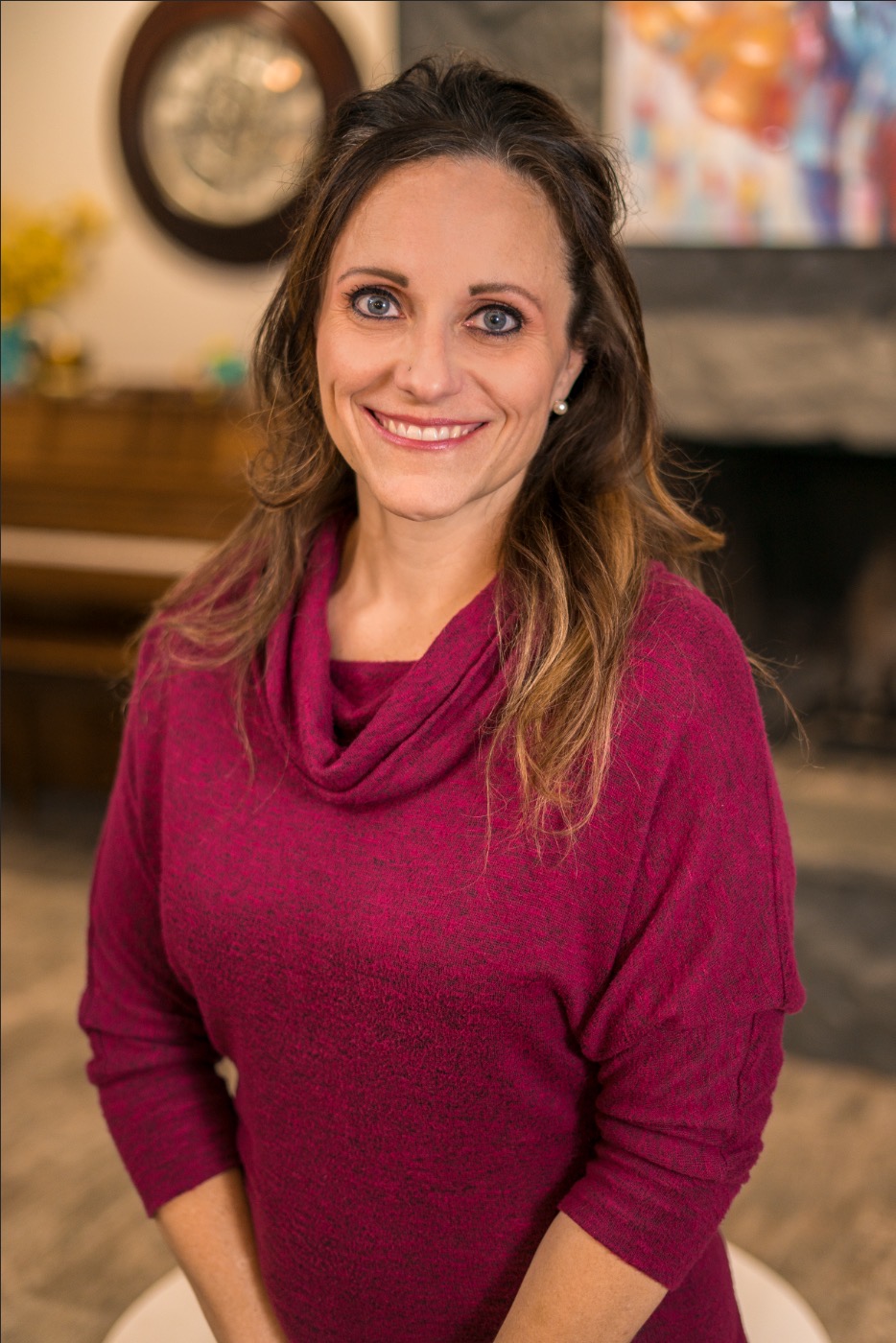
Kristin K. Long, SEL Facilitator · Yoga Teacher · BS El. Ed. - Teacher · Developmental Specialist
Kristin K. Long is the Owner and Director of Life-CAHST, LLC, and the architect of its Social Emotional Development practice. She is a Social Emotional Learning Facilitator, Certified Yoga Teacher (RYT-200), RCYT - Registered Children's Yoga Teacher, BS El. Ed. - Teacher, and Developmental Specialist whose practice is grounded in 30 years of front-line educational and forensic experience.
She holds a B.S. in Elementary Education from Brigham Young University and completed Master Level coursework at Northern Arizona University with a Special Education emphasis. She spent over two decades as a classroom educator — Pre-K through 6th grade, Special Education, Title 1 Reading Specialist — before bringing that expertise into forensic and legal contexts as a Child Forensic Interviewer in the Juvenile Court System and Paralegal, Mitigation Specialist, and Investigator at Long & Simmons Law.
Her yoga credentials include RYT 200, RCYT - Registered Children's Yoga Teacher, and Adaptive Yoga Certification through Breathe for Change and My Vinyasa Practice, plus BS El. Ed. - Teacher, and she is registered through Yoga Alliance. Her SEL Facilitator certification and advanced training in the Neurobiology of Trauma, Neurobiology of Attachment, Parenting with the Brain in Mind, and Understanding Childhood Trauma complete a credential profile that does not exist in any single traditional discipline — because no single traditional discipline was adequate to the work.
Credentials & Certifications
Owner & Director, Life-CAHST, LLC — A Forensic Development System • Owner & Director, Life-CAHST LLC (2019-Present) • RYT-200, Yoga Alliance (2021) • RCYT - Registered Children's Yoga Teacher, Yoga Alliance (2023) • Adaptive Yoga Certification, Yoga Alliance (2024) • BS El. Ed. - Teacher • SEL Facilitator (2021) • Child Forensic Interviewer, Juvenile Court System • Paralegal & Mitigation Specialist, Long & Simmons Law • Neurobiology of Trauma — NICABM (2022) • Neurobiology of Attachment — NICABM (2021) • Parenting with the Brain in Mind — ICP (2022) • Understanding Childhood Trauma — ICP (2021) • B.S. Elementary Education, BYU (1996) • Master Level Coursework, NAU (Special Education)
The Forensic Difference
Most developmental practices begin with a presenting complaint. This one begins with a reliable history. Forensic investigation tools — the same ones applied in child abuse investigations and legal proceedings — are used to gather an accurate social and environmental picture before any program is designed. What happened, in what context, with what developmental consequences, determines what comes next.
The Integrated Framework
How the Practice Actually Works
Forensic History First
Every engagement begins with a reliable social and environmental history. No assumptions. No diagnosis imposed before the facts are gathered. The forensic interview tools that produce reliable testimony in courtrooms are the same tools that produce reliable history here.
Body Before Mind
The nervous system must reach a regulated state before cognitive processing, language development, or behavioral work can take root. Yoga, somatics, breath, sound, and voice come first — not as supplementary add-ons, but as primary interventions.
Language as Architecture
The ability to name experience is not a luxury. It is the foundation of self-understanding, relationship, and the capacity to navigate reality accurately. Reading, writing, and language development are developmental interventions, not academic exercises.
Identity as Destination
Spirit means identity. The goal of every program is a coherent, self-authored, embodied sense of self that can hold what has happened, engage honestly with others, and navigate the world without requiring the fragmentation that unresolved trauma demands.
Individualized Always
There is no standard protocol. Every person, child, couple, or family receives a program built from their specific history, developmental stage, learning style, legal context, and goals. The evidence-base is consistent. The application is always unique.
All Settings, All Systems
The practice is designed to function at the intersection of classroom, courtroom, home, church, and crisis. Kristin and her team speak the language of education, law, forensics, and somatics — because the people who need this work do not live in only one of those worlds.
"When you can know yourself enough to share yourself with another, you are safe, healthy, happy. There is no greater duty we have than to the mind of a child. Even when that mind of that child is ours. Especially then."
— Kristin K. Long, Life-CAHST, LLC
Knowing that relationships are the whole thing does not tell the person in relational poverty how to build one. Knowing that childhood adversity compounds across a lifetime does not give the person carrying that score a path through the damage. The studies describe. They do not prescribe.
— Kristin K. Long · Life-CAHST, LLC
The Life-CAHST Pathway
→
Forensic examination. We look at what is actually present before drawing any conclusion. The behavior, the history, the body, the nervous system. No predetermined finding.
→
Somatic practice. We work where the evidence lives — in the body and the breath. Not only in language and narrative.
→
Bloom-informed SEL development. We meet children and families at the level where they actually are — Remember through Create — building the internal architecture that makes genuine learning possible.
→
A voice returned. The destination is not symptom reduction. It is a person who knows what they are carrying, knows how to move through it, and knows how to use their voice.